
Services

Urinary Bladder Surgery for Stones in Pets | Cystotomy

Learn about urinary bladder stone surgery (cystotomy) in pets, including symptoms, diagnosis, treatment options, recovery, and prevention tips.

Expert VetsFull Service
Section 01

Urinary Bladder Surgery for Stones in Pets | Cystotomy

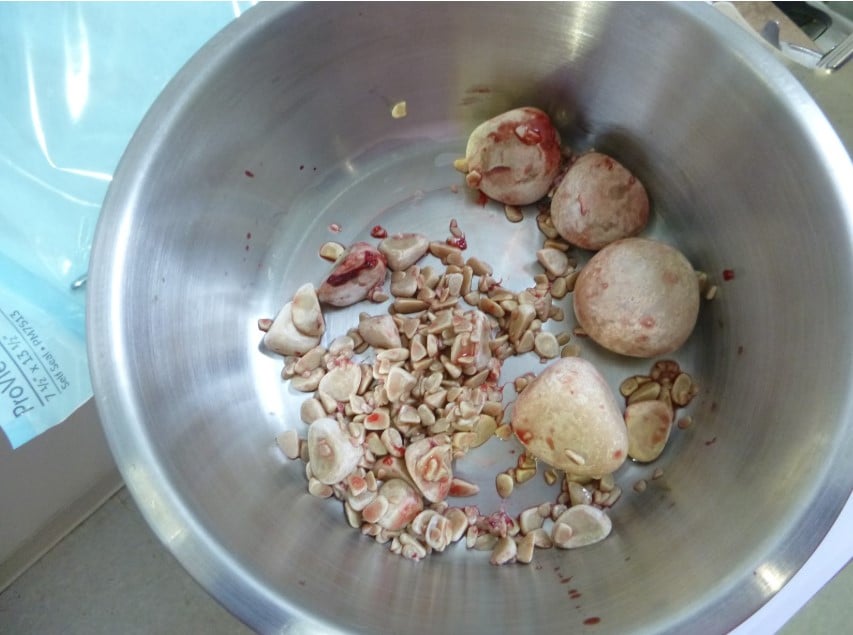
Bladder stones in pets — dogs and cats mainly — are more than just uncomfortable; neglecting to treat them can be a death knell. Bladder stones, also known as uroliths, are rock-like accumulations of minerals that develop in the urinary bladder when they clump together and crystallize. These can irritate the bladder lining, be painful, cause infections, and in rare cases obstruct urine flow entirely — a veterinary emergency. For many pets that have bladder stones that do not respond to diet or medical therapy, the initial attempt at surgical removal of a cystotomy is unsuccessful, and your surgeon may need to use the laser. In this blog post, we are going to dissect what you need to know about bladder stone surgery in pets and cover the bases of ‘what are stones, why does my pet need surgery, how surgery is performed, recovery details, prevention tips, and then cover off some real-life stats as well as expert commentary. So whether you’re a new or experienced pet owner, this guide will explain everything in simple words. Table of Contents
Urinary Bladder Surgery for Stones in Pets | Cystotomy - Urinary Bladder Surgery for Stones in Pets | Cystotomy
Section 02

What Are Bladder Stones (Uroliths)?

Bladder stones are hard masses of minerals that form in the bladder when urine becomes concentrated and materials crystallize. These stones can be no larger than grains of sand or bigger, and they can fill the bladder. If they move into the urethra (the tube through which urine is drained), they can obstruct the flow, a life-threatening emergency if left untreated.

What Are Bladder Stones (Uroliths)? - Urinary Bladder Surgery for Stones in Pets | Cystotomy
Section 03

Types of Bladder Stones in Pets

Various types of stones are made from different minerals. Some of these are the following: Each subtype affects the decision and risk of recurrence.

  • Struvite Stones – More common in dogs and also found in cats.
  • Calcium Oxalate Stones – These are most common in dogs and cats, and cannot be dissolved by diet.
  • Urate Stones – Common in Dalmatians and animals with liver damage.
  • Cystine Stones – Uncommon and are genetic in nature.
Types of Bladder Stones in Pets - Urinary Bladder Surgery for Stones in Pets | Cystotomy
Section 04

Prevalence & Risk — What the Data Says

Getting a sense of prevalence makes you realize just how common bladder stones really are: These numbers reveal the fact that bladder stones are not an infrequently occurring problem in small animal practice, but rather a condition of great frequency.

Prevalence & Risk — What the Data Says - Urinary Bladder Surgery for Stones in Pets | Cystotomy
Section 05

Signs That Your Pet Might Have Bladder Stones

Early Signs: Emergency Signs: If your pet cannot urinate at all, seek emergency veterinary care immediately.

  • Frequent attempts to urinate
  • Straining with little or no urine
  • Blood in the urine
  • Licking the genital area
  • Accidents in the house
  • Inability to pass urine (complete obstruction of the urinary bladder)
  • Extreme pain or distress
  • Vomiting or lethargy
Signs That Your Pet Might Have Bladder Stones - Urinary Bladder Surgery for Stones in Pets | Cystotomy
Section 06

How Bladder Stones Are Diagnosed

Your vet will use a mixture of: The majority of bladder stones are radiodense and can be identified on X-Ray and ultrasound.

  • Physical exam
  • Urinalysis – screens for blood, crystals, infection
  • Blood tests – measure the health of your organs
  • X-rays and Ultrasound – to locate the stone, size, and quantity
How Bladder Stones Are Diagnosed - Urinary Bladder Surgery for Stones in Pets | Cystotomy
Section 07

When Is Surgery (Cystotomy) Needed?

A cystotomy (surgical opening of the bladder) is indicated when: Stones too big to pass by themselves Some struvite stones in dogs can be dissolved with dietary therapy over ~3 months, calcium oxalate stones will almost never dissolve and must be surgically removed.

  • If dissolution of the diet is unsuccessful, or if dissolution is not practically applicable
  • There’s urinary obstruction
  • Infections or bleeding return
  • Pain is significant
When Is Surgery (Cystotomy) Needed? - Urinary Bladder Surgery for Stones in Pets | Cystotomy
Section 08

What Happens in Surgery (Cystotomy)?

Cystotomy involves: During surgery, veterinarians examine the urethra and lining of the bladder for fragments of stone.

  • General anesthesia
  • Abdominal incision
  • The bladder is isolated and opened
  • Stones are removed and flushed
  • The bladder and abdomen are closed
What Happens in Surgery (Cystotomy)? - Urinary Bladder Surgery for Stones in Pets | Cystotomy
Section 09

Comparison of Cystotomy Approaches

Each option has its time, and your vet will advise based on the size of the stone, the number of stones, and your pet’s health.

Comparison of Cystotomy Approaches - Urinary Bladder Surgery for Stones in Pets | Cystotomy
Section 10

Recovery After Bladder Stone Surgery

Typical recovery plans include: With good care, most pets urinate and behave as usual. “Recovery is going to be different from pet to pet, but early physical posture and urination within normal ranges are good signs.” — Veterinary Surgeon

  • Hospital stay: 1–3 days
  • Activity restriction: 10–14 days
  • Elizabethan collar (cone): Prevent licking
  • Medication: Pain relief, antibiotics if infection is present
  • Monitor urination and incision daily
Recovery After Bladder Stone Surgery - Urinary Bladder Surgery for Stones in Pets | Cystotomy
Section 11

Preventing Stone Recurrence

After surgery, stones can return if the root causes are not treated. Strategies include:

  • Prescribed urinary diet for the prevention of stone formation
  • Intake of more water (including the use of water fountains)
  • Regular urine tests and imaging
  • Treating urinary infections promptly
  • In analyzing these stones after they are removed, for customized prevention
Preventing Stone Recurrence - Urinary Bladder Surgery for Stones in Pets | Cystotomy
Section 12

Quick Key Facts

  • Bladder stones are also a common cause of lower urinary tract disease in pets, with struvite and calcium oxalate stones being the most common types seen in the United States. dvm
  • Cystotomy is an old and established surgery, and many animals do well after the procedure. pubmed
  • More recent, less invasive options, such as percutaneous cystolithotomy, may decrease hospital stay and recovery.
  • Recurrence is not absent without prevention. royalcanin
Quick Key Facts - Urinary Bladder Surgery for Stones in Pets | Cystotomy
Section 13

Conclusion

Strip out your stone. A proven and effective way of alleviating pain, preventing life-threatening blockages, and getting your pet back to their normal selves is with bladder stone surgery – cystotomy. With accurate diagnosis and expert surgical care, as well as careful planning for prevention, many of these patients have a good outcome and return to a happy, active life following surgery. If your pet has any urinary signs — especially straining, increased frequency of urination, or blood in the urine — don’t delay. Early veterinary intervention often means the difference between life and death. Because in the end, when it comes to expert, compassionate care crafted for your four-legged family member, AV Veterinary Center can lead you through diagnosis, surgery, and recovery, with the right preventive measures in place.

Conclusion - Urinary Bladder Surgery for Stones in Pets | Cystotomy

FAQ

Common Questions